
 Open Client Check
 Open COC / ESC
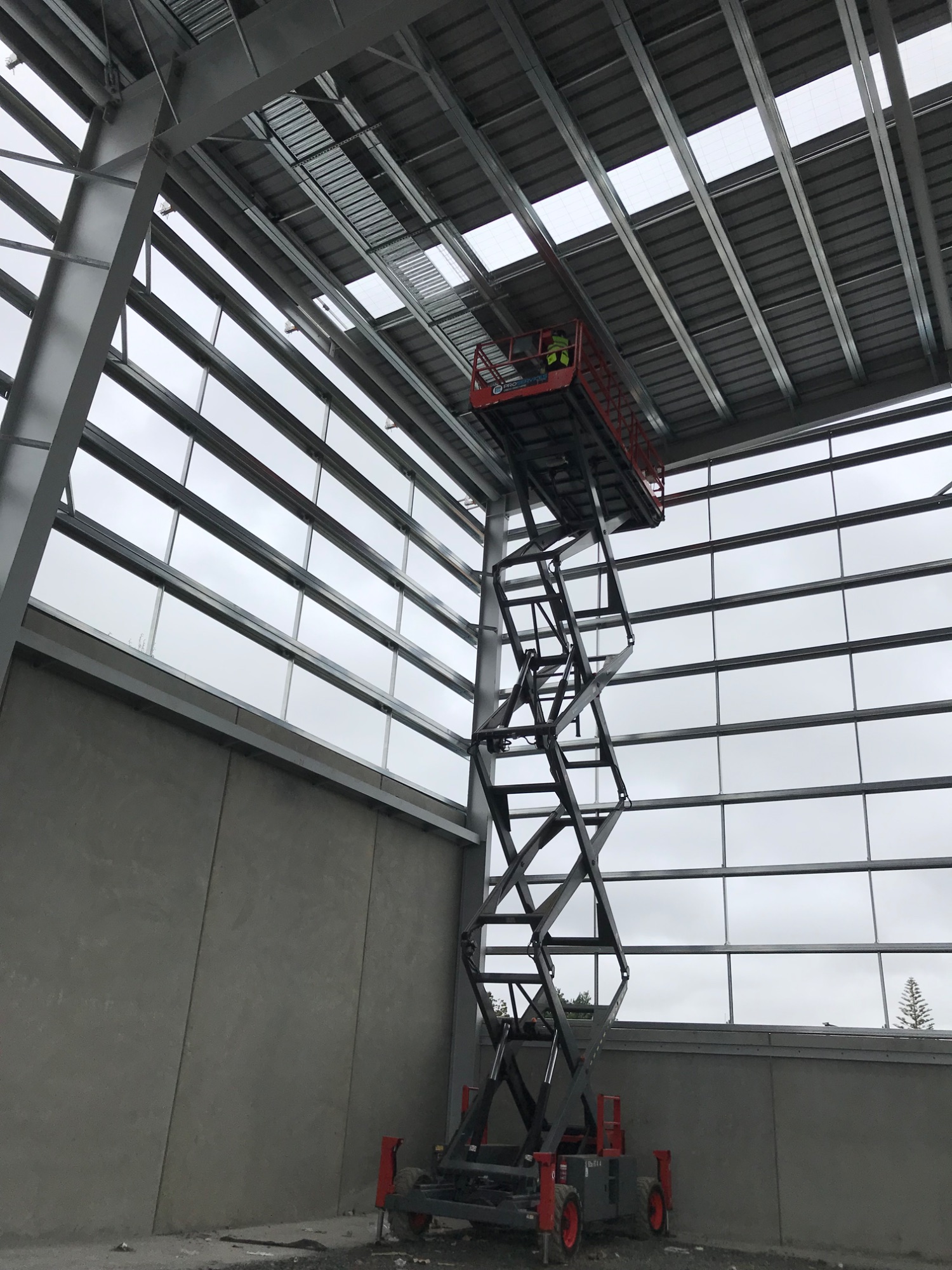
What a commercial electrician does
As a commercial electrician in Auckland, we work in shops, offices and warehouses, on new fit-outs and in premises that are already trading. Our commercial electrical services cover:
- power: sockets for workstations, counters and benches, and dedicated circuits for equipment and machinery
- lighting for shop floors, offices, storage rooms and warehouse areas: commercial and warehouse lighting, lighting and downlights and LED strip lighting
- main and sub switchboards, new circuits, and switchboard upgrades and repairs
- data cabling and data points for computers and the network
- security cameras and alarm systems, with the cabling and power each device needs
- cable tray for long cable runs through ceilings and warehouses
- workplace EV chargers, each with the dedicated circuit it needs
- electrical for shop, cafe and office fit-outs
- faults, repairs and replacements in premises that are open for business
We work for businesses across Auckland, from the North Shore to South Auckland; the areas are listed under our service area.
How a commercial job runs
- Send the building or fit-out drawings and the equipment list, or we visit the site.
- We list every point area by area: sockets, switches, lights, data points and the circuit each machine needs.
- Once you confirm the list and the quote, the work is booked.
- We install the cable tray, cabling, switchboard work and points in the order the building or fit-out allows.
- Every circuit is tested before it is put into service.
- The certificate for the work is issued to you when the job is finished.
Planning a commercial job
These points are settled before the quote, because they decide the circuits and the order of the work:
- each piece of equipment, where it sits, and the electrical details from its label or installation instructions, including single or three phase
- where data points go, and where the router or network cabinet sits
- where cameras, alarm sensors and keypads go, and where the recorder sits
- access to the main switchboard, the ceiling space and any locked areas
- when the power can be turned off to connect new circuits at the switchboard
- other trades on site, such as the builder or shopfitter, and their programme
Working from the fit-out drawings
The quote is a count of what the drawings show. Each socket, switch, light, data point and equipment connection on the plans becomes a line on the list for its area, so the quote and the work cover the same points. Questions the drawings leave open, such as which switch controls which lights or where the sockets on a counter sit, are settled with you before the quote. If the design changes after the list is confirmed, the change is added to the list and priced, and you confirm it before the extra work is done.
Equipment and switchboards
Each machine or appliance is wired from its rating label or installation instructions, which state the supply it needs. Equipment that needs its own circuit gets one, and the circuits the job adds are checked against the room left in the switchboard. Before anything at an existing board is changed, every circuit and what it supplies is listed, so you know which equipment loses power while the board is worked on. New circuits are added with their protection, and the board is labelled circuit by circuit.
Working with other trades
On a fit-out, the electrical work runs alongside the builder, the shopfitter, the ceiling installer, the plumber and the heat pump installer. Cables, cable tray and data runs go in while the walls and ceilings are open; switches, sockets, lights and equipment connections follow once the linings, joinery and ceilings are finished. The electrical stages follow the builder's or shopfitter's programme.
Keeping the business running
When the business stays open during the electrical work:
- the power is off only for the parts of the job that need it, at times agreed before the work is booked
- the circuit list shows which equipment each shutdown affects, so fridges, freezers, tills and the network can be planned around it
- the work can be staged area by area, so the rest of the premises keeps running
The Electricity (Safety) Regulations 2010 require anyone who works on part of an installation to make sure the work has not adversely affected the electrical safety of the rest of it.
Commercial electrical maintenance
Faults, repairs and replacements in shops, offices and warehouses are listed and quoted like any other job, and so are switchboard repairs, and upgrades where a board is old or full. See electrical repairs and maintenance.
Main switchboards and mains work
Mains work, which includes work on the mains that supply the main switchboard and on the main earthing system, is high-risk prescribed electrical work under the Electricity (Safety) Regulations 2010. High-risk work must be inspected by a person authorised to inspect it, who cannot be the person who did, supervised or certified the work. It is not complete until the Certificate of Compliance and the record of inspection have been issued. WorkSafe states that the electrician you employ is responsible for arranging a licensed electrical inspector to carry out the inspection, so on a job that includes mains work it is planned into the programme before the new board is connected.
Commercial projects
Photos of our commercial work are in the cable tray installation, commercial kitchen and bubble tea shop projects.
FAQ
Can you quote from building or fit-out drawings?
Yes. We count every point on the drawings, area by area, and quote from that list. Anything the drawings do not show, such as the condition of the existing switchboard, is checked on a site visit before the quote.
Will the power be off while you work?
Only for the parts of the job that need it, such as connecting new circuits at the switchboard. Those times are agreed with you before the work is booked, so the business can plan around them.
Do you work in warehouses?
Yes. Warehouses are part of our commercial work, with shops and offices: power, lighting, switchboards, data and cable tray for long runs.
Can you connect equipment we buy ourselves?
Yes. Send the model and its installation instructions, or a photo of its rating label, so the circuit it needs is on the list before the quote.