
 Open Client Check
 Open COC / ESC
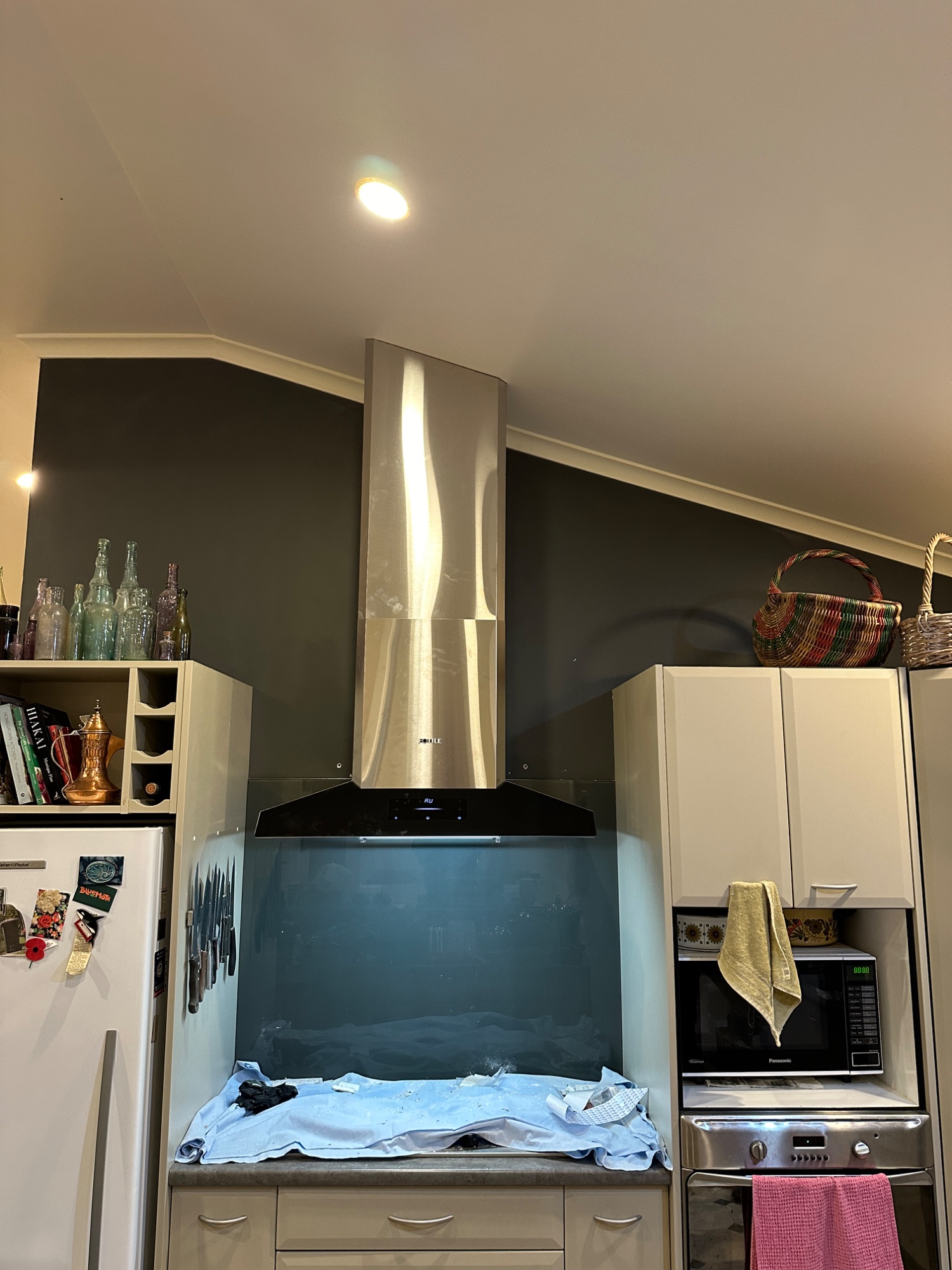
Oven and cooktop installation starts with the appliance's installation instructions, which state the supply it needs. We check them against the existing circuit, list what each connection involves, and you confirm the list and the quote before the appliance goes in.
What an oven or cooktop installation involves
- wall ovens, and freestanding ovens wired to the supply
- induction, ceramic and other electric cooktops
- other kitchen appliances wired to the supply rather than plugged in
- disconnecting the appliance being replaced
- the connection point for each appliance, placed as its instructions show
- a new or larger circuit from the switchboard, when the appliance needs one
- sockets in the cabinetry for appliances that plug in
How an appliance job runs
- Send the make and model of each appliance with its installation instructions, and photos of the existing connection and the switchboard.
- We check each appliance's requirements against the existing circuit and list what each connection needs.
- You confirm the list and the quote before work starts.
- For a replacement, the old appliance is disconnected and the new one connected in its place. In a new kitchen, the circuits go in before the cabinets, and the appliances are connected once they are in place.
- Each connection is tested before the appliance is handed over.
- New wiring is certified, and you receive the certificate.
Does a new oven or cooktop need a new circuit?
A new oven or cooktop that needs no more than the existing circuit provides can usually go on that circuit. A new or larger circuit is needed when the new appliance's instructions ask for more, or when a second oven or cooktop is added; an appliance moved to a new position needs its cable extended or a new circuit run to it. A new circuit runs from the switchboard, so where the switchboard is, and whether it has room, matter to the quote. When it has no room, a switchboard upgrade is listed and quoted with the rest of the work.
What we need to know
- the make and model of each appliance, and its installation instructions
- whether it replaces an existing appliance or is a new addition
- where it goes: the cabinet drawing, or a photo of the space
- where the switchboard is, and a photo of it with the door open
- the delivery date, so the connection is booked for when the appliance is on site
Where the work is certified, the regulations require a copy of the manufacturer's instructions used in it to be attached to the Certificate of Compliance.
Ovens, cooktops and rangehoods are usually planned together in a kitchen upgrade: see kitchen and bathroom electrical and extractor fans and rangehoods. Photos of our commercial kitchen electrical work are in the gallery. In homes, oven and cooktop installation is part of our residential electrical work across Auckland, from the North Shore to South Auckland; see our service area.
FAQ
Can you install an induction cooktop in place of my old cooktop?
Yes. Send the model and its installation instructions, with photos of the existing connection and the switchboard. If the new cooktop needs more than the existing circuit provides, a new or larger circuit is listed and quoted before work starts.
Will I get a certificate?
For a new or larger circuit, yes: it is fixed wiring work, which is certified with a Certificate of Compliance, and the manufacturer's instructions used are attached to it. Every connection is tested before the appliance is handed over.
Do I need an electrician to install an oven or cooktop?
The Electricity (Safety) Regulations 2010 list connecting a fixed-wired appliance as electrical wiring work, which the Electricity Act 1992 defines as prescribed electrical work. Under set conditions, the homeowner exemption lets an owner who lives in the home connect and disconnect fixed-wired appliances there without payment, following the homeowner code of practice, NZECP 51; it does not cover rental properties. Work in someone else's home, or for payment, needs a licensed electrical worker, and WorkSafe does not recommend doing your own electrical work unless you have the necessary skills and knowledge.