
 Open Client Check
 Open COC / ESC
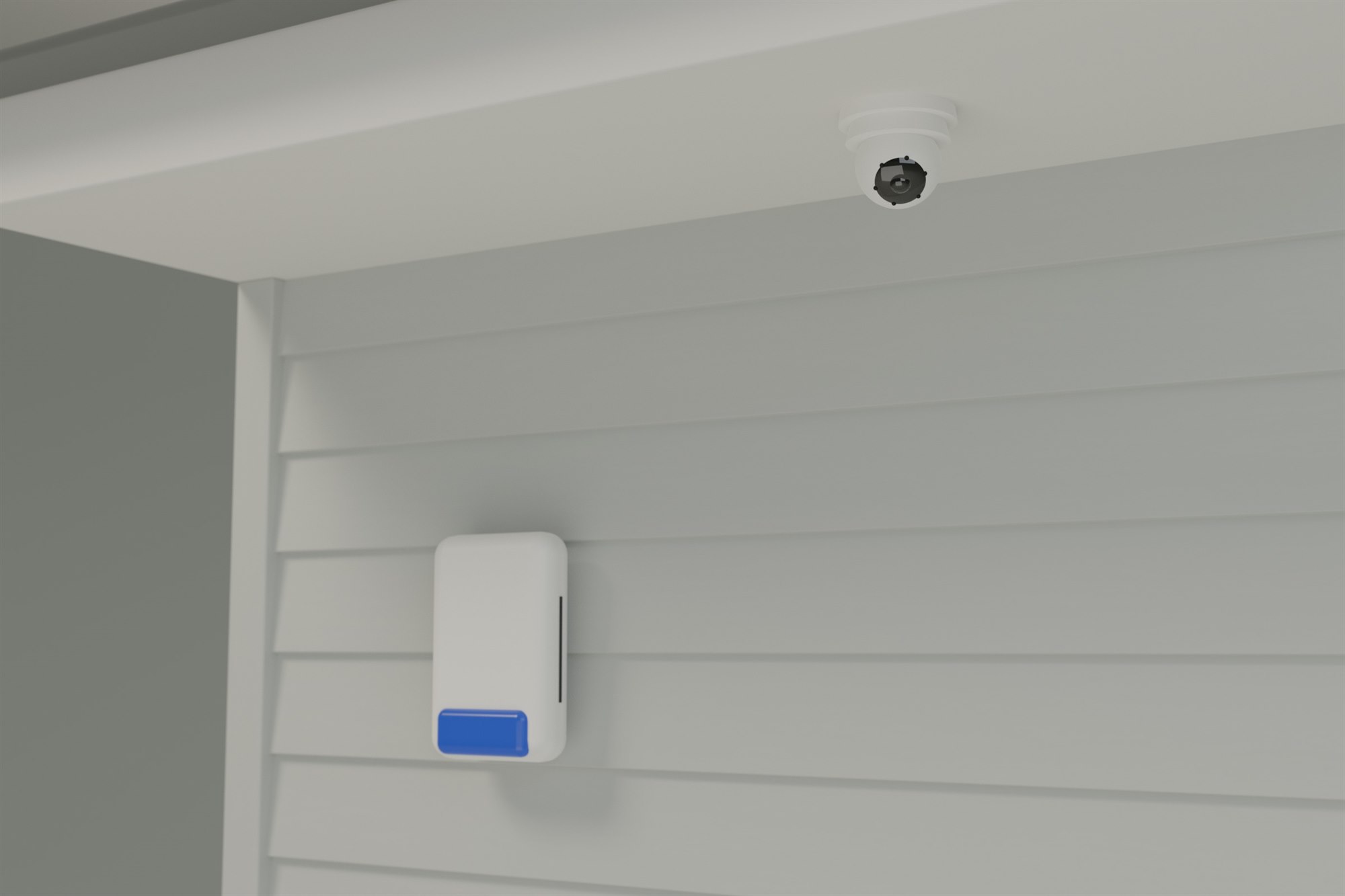
Security camera and CCTV installation starts with what each camera needs to see: its position decides the cable route back to the recorder. Alarm sensors and keypads are planned the same way, and every position goes on the list you confirm before the cable goes in. We install for homes and businesses across Auckland, from the North Shore to South Auckland; see our service area.
What a camera and alarm installation covers
Security camera and CCTV installation
- camera positions, agreed with you from what each camera needs to see
- a cable from each camera back to the recorder
- power for each camera, through its cable or from a power point nearby
- the recorder, with power and a network connection
- a check of each camera's view with you
Alarm system installation
- motion sensors, and door and window sensors, where they are needed
- keypads by the doors you use
- the alarm panel and siren
- the cabling from each sensor and keypad to the panel
- a test of every sensor and keypad
How a camera and alarm job runs
- You tell us what needs covering: entrances, the driveway, the yard, the shop counter, rooms. Send a floor plan or photos, or we visit.
- We list each camera, sensor and keypad by position, with the cable routes and where the recorder and alarm panel go.
- You confirm the list and the quote.
- The cables go in: before the linings in a new build or renovation, through the ceiling space or under the floor in an existing building.
- We mount and connect the cameras, recorder, sensors, keypads and panel, and test each one.
- We check each camera's view with you and show you how the alarm is set and unset.
- Where the job includes new power points or a new circuit, we test them and certify the work.
Positions, cabling and power
- What each camera sees. Its position and angle decide what it records, so each view is agreed before the cable goes in.
- Keypads and sensors. Keypads go by the doors you use to come and go; sensors cover the doors, windows and rooms on the list.
- The recorder. It goes somewhere out of the way, with a power point and a network connection.
- Power points. The recorder, the alarm panel and any camera that needs mains power each need one.
Cameras are cabled like data points: see data cabling. Lighting at entrances and along paths is covered under outdoor and garden lighting, and shops, offices and warehouses under commercial electrical.
Security cameras and the Privacy Act 2020
The Privacy Act 2020 has no provisions written for cameras. Its information privacy principles, the IPPs, deal with personal information, which the Act defines as "information about an identifiable individual". They include:
- IPP 1: an agency may collect personal information only for a lawful purpose connected with its functions or activities, and only if collecting it is necessary for that purpose.
- IPP 3: an agency that collects personal information from the person concerned must take reasonable steps to make the person aware of, among other things, the fact that it is being collected, the purpose, the intended recipients, and the name and address of the agency collecting it and the agency holding it. The steps are taken before collection or, if that is not practicable, as soon as practicable afterwards.
- IPP 3A, in force since 1 May 2026: an agency that collects personal information about a person from someone other than that person must take reasonable steps to make the person aware, among other things, that it has been collected. It does not apply to information collected before 1 May 2026.
- IPP 4: personal information may be collected only by lawful means, and by means that are fair and do not intrude to an unreasonable extent on the personal affairs of the person concerned.
- IPP 5: an agency that holds personal information must protect it with security safeguards that are reasonable in the circumstances, against loss, unauthorised access, use, modification or disclosure, and other misuse.
- IPP 9: an agency must not keep personal information for longer than is required for the purposes for which it may lawfully be used.
Several principles have exceptions, set out in the Act. Section 27 exempts individuals in their personal or domestic affairs: IPPs 1 to 3A and 4(b) do not apply to an individual collecting personal information solely for those affairs, and, on the conditions the section sets, IPPs 5 to 12 do not apply to information an individual holds solely for them. Neither exemption applies if the collection, use or disclosure would be highly offensive to a reasonable person, and neither covers a business.
FAQ
Can cameras and an alarm be added to an existing building?
Yes. Cables run through the ceiling space or under the floor to each position. Where that is not possible, the route is agreed with you before quoting.
Does each security camera need its own power point?
Not always. Some cameras take their power through the data cable from the recorder; others need a power point nearby. The camera's instructions say which, and the list shows it for each camera.
Where should the recorder go?
Somewhere out of the way, with a power point and a network connection. Its position is on the list you confirm, with the cable route from each camera.